Diagnosing in Outpatient Settings
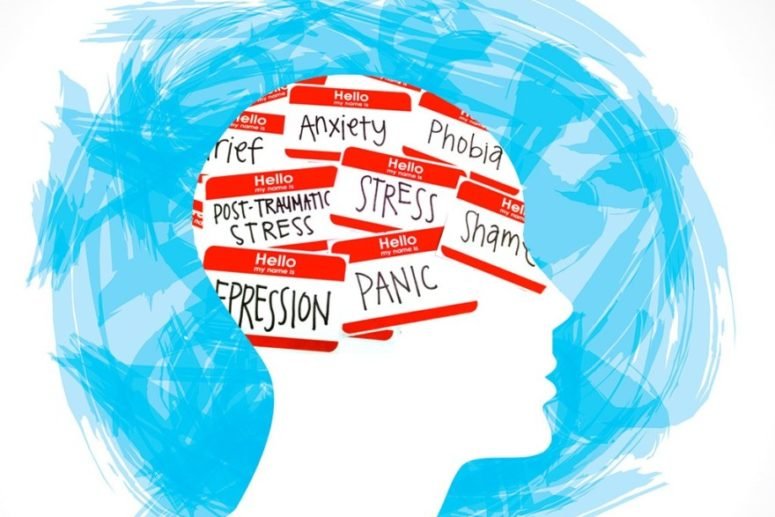
Unpopular opinion: You are NOT your diagnosis.
Working in outpatient settings felt dehumanizing, at times. Due to the way insurance works, I had to diagnose people on the first session. I didn’t agree with this method and I still don’t.
When a person is diagnosed with a diseased lung, they don’t become that lung. But when they get a mental diagnosis, they become that diagnosis. This is the process of dehumanization common in the clinical mental health setting.
Everyone has a story, everyone has a reason for their current situation. I believe in looking deep into the context and culture of an individual before going into any form of diagnosing. I’m bullish on this idea because I’ve overcame my own mental health diagnoses following a long, spiritual journey. From here, I became obsessed with finding other outlier cases, and why some people take a diagnosis to their grave while others are able to alchemize that pain into something greater.
I studied at the University of Pennsylvania, completing two master’s degrees in mental health and education. On paper, I was being trained to become a licensed clinician. But something in me started to fracture under the weight of how the system was designed.
I began questioning the foundations of the psychotherapeutic model. The way patients were being categorized before they were ever deeply understood.
And that questioning changed the direction of my life.
It’s the reason I didn’t pursue licensure.
Instead, I stepped away from the traditional outpatient track and started building my own company, because I couldn’t reconcile reducing human complexity into early-stage diagnostic labels while ignoring context, history, nervous system patterns, and lived reality.
I became more interested in something the system rarely has space for: the full story behind the symptoms.
This is where my work shifted.
That path eventually led me fully into coaching and somatic-based work. Not because I rejected psychology, but because I wanted to work with what psychology often can’t fully reach in time-limited, insurance-driven models.
Since then, I’ve worked with clients in deep transformation, supporting them in moving out of survival identities and into something more integrated, embodied, and self-led.
And I still come back to the same core question:
What if your diagnosis is describing your symptoms… but not your authentic self?
You are allowed to outgrow every story that was used to explain you.
Even the ones you were told were permanent. ❤️🔥