Emotional Traumas Manifest Into Physical Symptoms
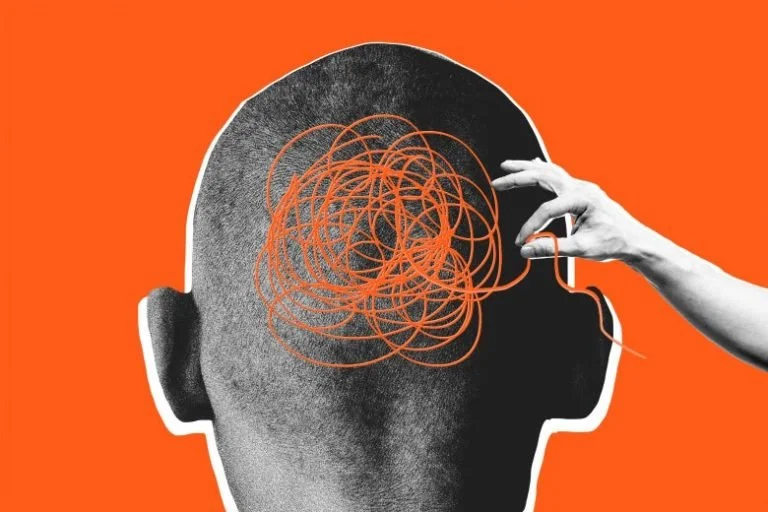
Your physical health is not separate from your emotional life. It is where your emotional life is stored.
We now have decades of research showing that chronic stress and unresolved trauma don’t just “affect the mind”, they show up in the body.
Long-term activation of the stress response system has been linked to changes in immune function, inflammation, digestion, sleep, and cardiovascular health. Elevated cortisol over time can alter how the body regulates repair, energy, and immunity… not as a moral failing or mindset issue, but as a physiological adaptation to perceived threat.
Trauma is not just a memory in the mind, but an imprint in the nervous system and physiology of the body.
Meaning: the body learns from what you’ve lived through. The body keeps the score.
Not metaphorically. Biologically.
When I was experiencing severe anxiety and depression, I went through extensive medical testing. Everything came back “normal,” yet my body was clearly not functioning in a way that felt normal to me. I was exhausted, dysregulated, and dealing with physical symptoms that had no clear medical explanation.
What I was eventually told was what many people are told in similar situations: that the body can reflect chronic psychological stress even when no structural disease is present.
And while I understand why that explanation can feel incomplete, there is a real scientific basis for the mind–body connection. Especially through the lens of psychoneuroimmunology, which studies how emotional stress can influence immune and inflammatory processes.
But here’s where I want to be very clear:
This is not about “just think positive” or suppressing difficult emotions in order to stay healthy.
In fact, suppression often increases physiological load on the nervous system.
What actually matters is whether emotions are being processed, integrated, and completed in the body… or chronically stored as unresolved activation.
This is where somatic work becomes essential.
Because you cannot think your way out of a nervous system that is stuck in survival patterns.
You have to work with the body directly.
Breath. Sensation. Movement. Expression. Regulation. Safety.
Not as a quick fix, but as a way of re-training the system that shaped your baseline experience of life.
Over time, I stopped seeing symptoms as problems to override and started seeing them as signals from a system that was trying to adapt, survive, and communicate.
And that changed everything about how I work with people.
Now, I support clients in learning how to reconnect with their bodies in a way that allows the nervous system to settle, process, and reorganize from the inside out.
If you’re curious about exploring what somatic healing could look like for you, you can sign up for a free consultation with me here.